
At a glance
- Training in heavy industry is constrained by limited equipment access, strict safety controls and high supervision requirements, which limit the amount of practical training that can occur onsite.
- VR addresses these constraints by providing a virtual environment built from real plant data, giving employees space to build sequencing, hazard recognition and technical judgement before handling live assets.
- Companies use VR to accelerate onboarding, standardise procedure training across sites and enable risk-free practice for tasks involving stored energy, electrical hazards, pressure systems and confined spaces.
- The strongest gains of VR training appear in equipment familiarisation, safety and compliance training, procedure sequencing, selection and diagnostic training, site orientation and realistic fault-response development.
Heavy industry operates under constant operational risk, constrained labour supply and increasing pressure to build workforce competency quickly.
These demands expose the limits of traditional training, especially when equipment availability, supervision demands and the realities of teaching hazardous tasks restrict how much practical learning can occur onsite.
Virtual Reality (VR) training has emerged as a practical way to strengthen industrial skills development. By using immersive simulation-based training that replicates plant systems, high-risk work environments and real procedures, enterprises can develop capability without exposing personnel or production to unnecessary risk.
This guide outlines what VR training is, how it supports job readiness across heavy industry and why organisations are adopting industrial VR training as a core workforce development method.
What Is VR Training
VR training is an industrial training method that uses virtual reality simulations on a headset to replicate the behaviours, constraints and risk profiles of a real plant. These environments are built from site data and operational procedures, so equipment states, isolation logic, system responses and fault conditions follow the same rules that apply in the field. Employees work inside the simulation using the same decision pathways required in a live asset, without the scheduling pressure, equipment access limitations or safety exposure that can restrict traditional training.
The simulation environment mirrors operational logic across substations, mobile plant workshops, processing areas and oil and gas installations. Workers can practice isolation workflows, interpret system behaviour, handle abnormal states and apply procedures under conditions that accurately resemble real operations.
This approach builds the sequencing, hazard recognition and technical judgement expected in high-risk work environments before a worker engages with live plant. For heavy industry, VR training has become a practical tool for strengthening procedural accuracy, improving workforce competency and preparing new recruits for complex operational tasks, and verifying or maintaining the competency of experienced workers.
Why VR Training is Essential For Today’s Industrial Workforce
Organisations in heavy industry need workforce training that moves faster than equipment availability, supervision capacity and site risk conditions allow. VR training meets this demand by shifting early skills development into a controlled simulation environment that reflects real plant behaviour and procedural logic.
The following points outline why VR has become a practical tool for developing workforce competency at scale.
Faster Workforce Readiness and Reduced Onboarding Time
Industrial VR training accelerates early skill acquisition by eliminating delays caused by equipment scheduling and shutdown windows. Employees can enter the simulation environment as often as required, repeat tasks without the pressure of supervision and reach baseline proficiency before interacting with the live plant. This eases headaches for senior operators and supports sectors managing persistent labour shortages across mining, defence metal trades and oil and gas.
VR also enables pre-hire skills assessment. Applicants can be assessed on sequencing, hazard recognition and problem-solving inside a controlled simulation, giving training and operations teams a clear view of candidate suitability early in the hiring process without interrupting production or tying up equipment.
Standardised, Scalable and Site-Consistent Training
Traditional training varies depending on who delivers it, how busy the plant is and what equipment is available. Industrial VR training removes that variability. Every scenario follows the same procedure, sequence and hazard controls, which means crews across different sites or shifts receive consistent training and upskilling.
Such consistency supports competency-based training, simplifies operator validation and strengthens compliance pathways long before a worker steps into a high-risk live environment. It also ensures that personnel develop the same baseline understanding, regardless of experience level, site pressures or instructor availability.
Risk-Free Practice for High-Hazard Tasks
High-hazard task training is often limited by what can safely be demonstrated in the field. VR training gives crews access to realistic fault states, isolation conditions, pressure interactions, electrical hazards and confined-space environments without exposing anyone to risk.
Tasks that would normally require shutdowns, controlled access or staged mock-ups can be practised in a simulation environment where the asset’s operational availability is preserved, but the consequences are removed. This creates space for trainees to learn through trial, error and repetition, building confidence that is rarely possible in a live high-risk environment.
Core Industrial Applications of VR Training
VR training is now used across heavy industry to move early competency development into a controlled simulation environment that behaves like a live plant.
The following areas outline where simulation-based training delivers the strongest operational value, from equipment familiarisation to procedure execution, hazard recognition and fault response.
Hands-On Equipment Familiarisation
VR gives employees early exposure to equipment behaviour and operating conditions long before they touch live assets. They can navigate controls, understand component functions and learn how systems respond in normal and abnormal states.
Repeated time spent in the simulation helps workers develop the confidence needed to handle machinery and tools without risking damage to equipment or disrupting production and revenue generating activities.
Safety and Compliance Fundamentals
Safety limitations restrict how much high-risk work training can occur on-site. VR allows safety teams to run realistic scenarios involving stored energy, electrical hazards, pressure events and line-of-fire risks inside a controlled simulation environment.
Trainees can work through isolation logic, complete lockout/tagout steps, select appropriate PPE and practise emergency response without entering a hazardous area. This builds hazard recognition and procedural discipline long before a worker enters the field and reduces reliance on staged demonstrations or controlled-access areas.
Procedure Sequencing and Task Familiarity
Many operational errors stem from incorrect task sequencing. VR training allows workers to perform procedures exactly as they would in a live environment and repeat them until the correct sequence becomes instinctive.
This supports competency-based training for apprentices, early-career workers and cross-skilled personnel who need to learn plant tasks, maintenance routines or inspection workflows without supervision bottlenecks.
Worksite Orientation and Spatial Awareness
VR site familiarisation allows workers to walk through plant layouts, equipment zones and restricted areas without arranging physical access. Trainees can understand system flow, equipment positioning, access routes and safety controls before arrival.
This reduces overwhelm, improves situational awareness and strengthens compliance with onsite movement rules across high-risk work environments like fixed and mobile plant mines.
Situational Decision-Making and Fault Response
Heavy industry depends on workers who can recognise abnormal system behaviour and act with accuracy and without delay. VR training places trainees inside realistic fault states, alarms and equipment irregularities so they can develop technical judgement in conditions that mirror live operations.
The simulation environment removes operational risk, allowing workers to trial different responses, understand the consequences of errors and strengthen decision-making for high-risk roles where rapid, accurate actions are essential.
Better Than Reality: Industry-Built VR Training for High-Risk, High-Skill Workforces
Better Than Reality (BTR) develops VR training solutions the same way industrial work is performed, with trade-qualified expertise, procedure-level accuracy and a clear understanding of how real sites operate. BTR was founded by industry practitioners with real trade, skills and training experience, so the design process of VR modules begins with actual work conditions rather than generic simulation elements.
Each module is shaped by subject-matter experts who understand operational risk, equipment behaviour, isolation requirements and workflow sequencing. Digital assets are built using site photographs, video capture, equipment data and procedural documents so the simulation reflects how the real plant behaves in normal and fault conditions.
The purpose behind this approach is to strengthen workforce capability by giving employees access to realistic, repeatable training that builds judgement, procedural discipline and confidence before they enter a high-risk environment. BTR focuses on preparing people to perform technical tasks correctly, consistently and safely.
How BTR Delivers Industrial VR Training
Below are the core capabilities that define BTR’s approach to industrial VR training:
-
- Pre-hire assessment: VR scenarios are used to evaluate candidates before they enter the workforce. Operations teams can test sequencing, hazard recognition and theoretical knowledge without interrupting live operations.
- Off-the-shelf, industry-specific modules: BTR offers pre-built VR training assets designed for mining, fixed plant, oil and gas, electrical systems and metal trades. Each module reflects real workflows, not generic simulation elements.
- Customisation for each client: Modules are adapted to match a client’s equipment models, procedures, site layouts and safety requirements. This customisation ensures operational relevance from day one.
- Licensing model: Clients access continuously updated VR modules under an annual licence, with improvements applied across the licence to keep training aligned with current procedures and operational requirements.
- Consortium development: Clients from the same sector can participate in shared scenario development. This accelerates VR content creation, lowers costs and strengthens industry-wide standardisation.
- Full lifecycle service: BTR delivers VR training through an end-to-end development process that includes discovery workshops with training, HSE and operations teams, SME-led scenario design, in-house VR module development, operator and supervisor testing, train-the-trainer onboarding, assessment centre setup and ongoing module updates.
Industries Supported by BTR’s VR Training Solutions
This section outlines the sectors that use BTR’s VR training and the type of workforce capability each industry develops through simulation-based training.
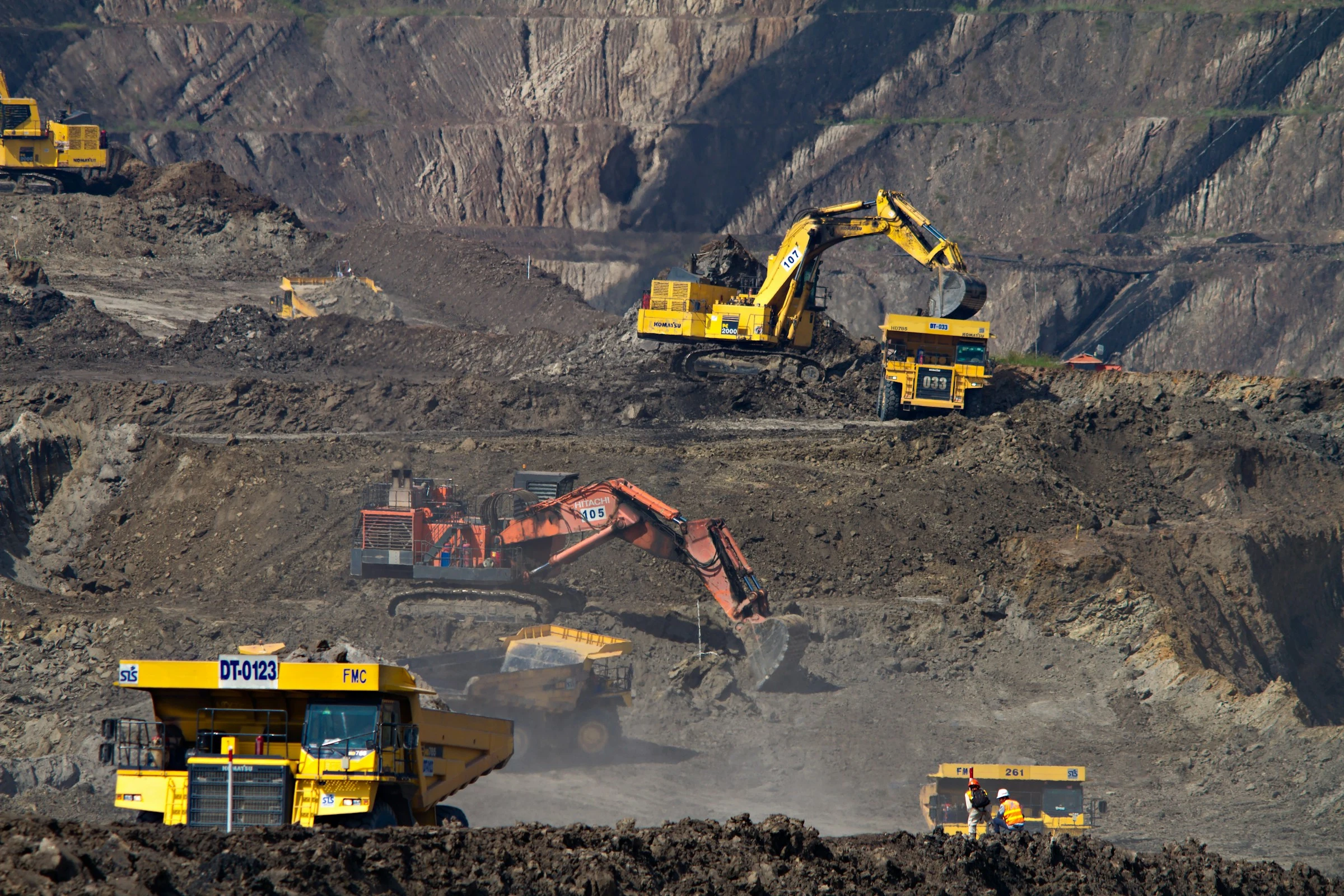
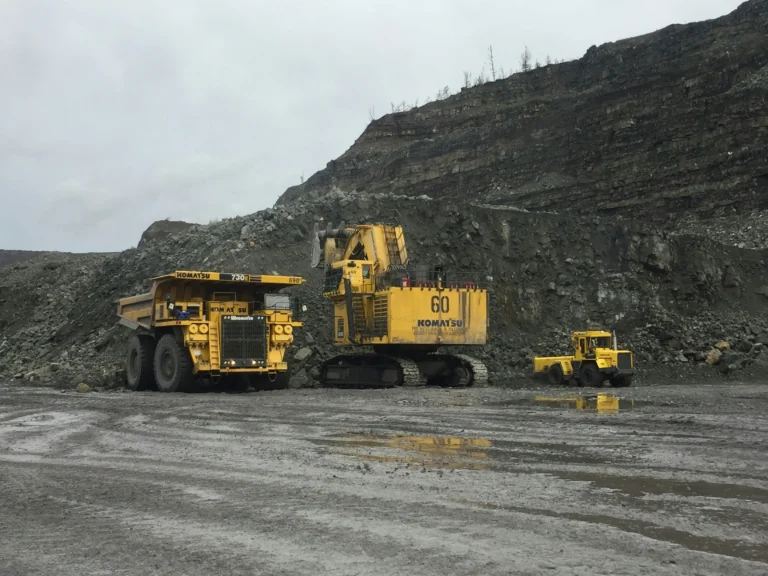
- Mining & Mobile Plant: VR modules that simulate haul trucks, loaders, excavators, drills and other mobile plant systems so teams can practise pre-start inspections, equipment handling, fault diagnosis, routine servicing and emergency response in a controlled environment without halting production or exposing operators to risk.
- Fixed Plant Operations: VR modules replicate crushers, conveyors, mills and processing lines so trainees can practise isolation, inspections, routine maintenance, shutdown sequences and emergency responses safely, without live plant exposure or production downtime.
- Oil & Gas: VR simulations recreate live-plant and construction-phase environments so crews can practise emergency shutdowns, valve isolation, blowout and leak response, confined-space procedures and permit-to-work compliance in a controlled setting without interrupting operations or exposing personnel to high-risk conditions.
- Electrical Trades: VR simulations replicate switchgear, substations, control panels and high-voltage systems so electrical teams can practise switching sequences, isolation and lockout-tagout, arc-flash response, fault diagnostics and emergency procedures without exposure to live voltage or requiring shutdowns.
- Defence Metal Trades: VR and AR simulations support welding and fabrication skills required across Australia’s shipbuilding and submarine programs, allowing trainees to practise structural welding, confined-space fabrication and precision metalwork in military-grade simulated environments without material waste or safety exposure.
VR training is no longer experimental in heavy industry. It has become a practical method for lifting competency, strengthening procedural accuracy and preparing workers for tasks that cannot be trained safely or consistently in the field.
As equipment access tightens and operational systems grow more complex, simulation-based training provides a scalable way to develop technical judgement, hazard recognition and readiness for high-risk roles. VR gives enterprises a structured environment to build capability faster, with repeatable scenarios that support safer and more consistent workforce development.
Ready to experience how industrial VR training works in practice? BTR delivers VR training modules built from real trade knowledge, supported by in-house development and a full lifecycle service model that keeps modules accurate as operations evolve.
Get in touch to learn how VR simulation can support your training strategy.
FAQs
Can VR training replace hands-on experience?
While VR does not replace hands-on experience, it prepares learners for it. Trainees build procedural understanding, hazard awareness and task sequencing in virtual simulation before moving to live equipment, reducing errors and increasing confidence on site.
Is VR training suitable for new trainees and apprentices?
Yes. VR modules are designed to support learners at all levels, including those with limited technical experience. The controlled environment allows new trainees to practise tasks repeatedly until they reach baseline competency.
Can VR training be aligned with our existing procedures and standards?
Yes. Industrial VR training can incorporate site-specific procedures, sequencing, isolation points, OEM guidelines and compliance frameworks to match your organisation’s actual operating environment.
How long does it take to develop or customise VR training modules?
Timeframes vary depending on the complexity of equipment and procedures being simulated. Most organisations begin with existing modules, which can be customised, while fully bespoke modules may require a longer development cycle depending on scope and technical detail.
